
By ANNE BOXHALL
So often with people and dogs, it’s a case of who rescues whom.
Psychologist Chris Blazina has been studying the unique bond between men and dogs over several decades and believes dogs can help males develop into happier, healthier people.
Dogs can break down self-imposed barriers of detachment and seclusion, helping men in particular to become less cut off from other relationships in their lives.
At 51 years of age, Eric O’Grey was obese and had trouble fitting into a plane seat.
Stewards were hard pressed to find a seat belt extension long enough to fit around him.
He had Type 2 diabetes, high blood pressure, high cholesterol and weighed 145 kilos. He was advised to get a dog and start walking.
O’Grey adopted an obese middle-aged dog also doing poorly in the health stakes. They went on to form an inseparable bond which transformed both their lives.
As running buddies, they shed 62 kilos and 10 kilos respectively and got off all meds.
Apart from the obvious physical benefits, O’Grey confirmed that his dog Peety made him a different person, changing his life for the better socially and in every other way.
Putting it down to his dog’s unconditional love and absolute loyalty, O’Grey says he was in turn motivated to be a better person for his dog.
What a difference a dog can make in helping to process stress, improve physical health and develop caring relationships.
ABOUT THE AUTHOR
Anne Boxhall is the executive officer of Saving Animals From Euthanasia Inc. SAFE Inc. is the West Australian arm of Animal Welfare League Australia. www.safe.org.au. Founded in 2003 in the Pilbara, SAFE has grown to include regional branches in Albany, Avon Valley, Broome, Bunbury, Busselton, Carnarvon, Esperance, Hedland, Goldfields, Karratha, Metro and Newman. SAFE saves healthy companion animals from unnecessary euthanasia through fostering, desexing and placing them in suitable homes and averages over 300 companion animals in foster care each month. SAFE has rehomed over 23,500 animals since the organisation’s inception.
By SHANNON STACEY
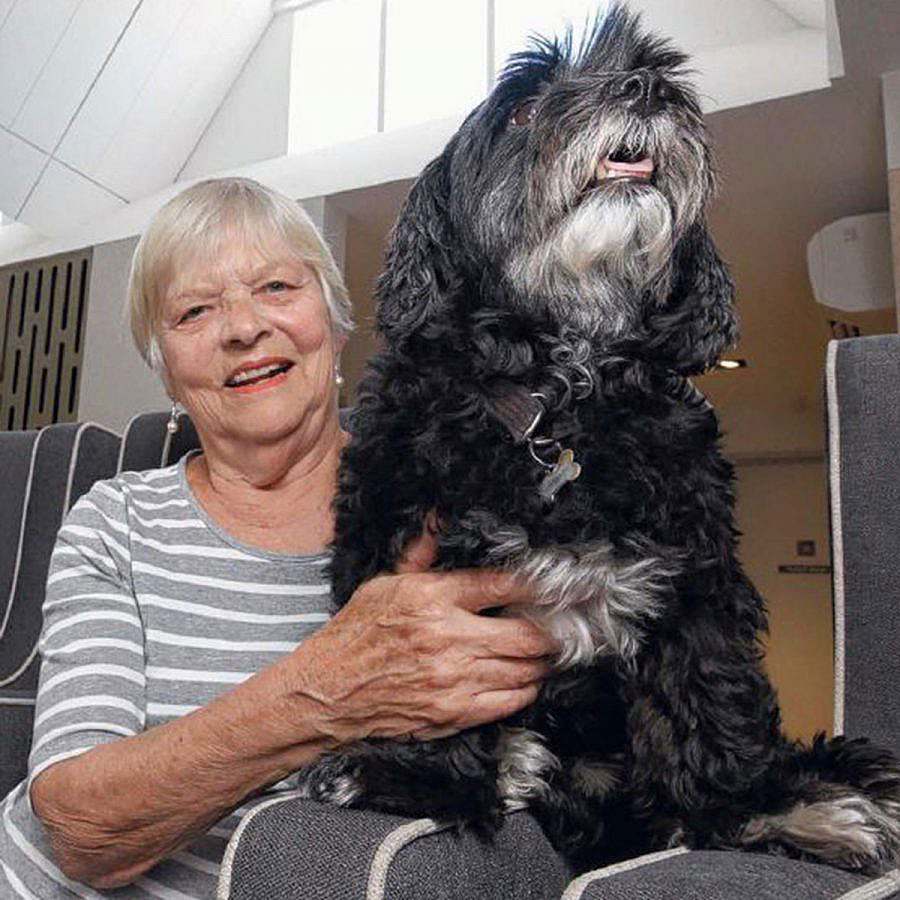
Mr Wendell is no ordinary six-year-old Havanese dog. He holds the important title of Community Engagement Coordinator at Broughton Hall, a residential aged care facility in Camberwell, Victoria.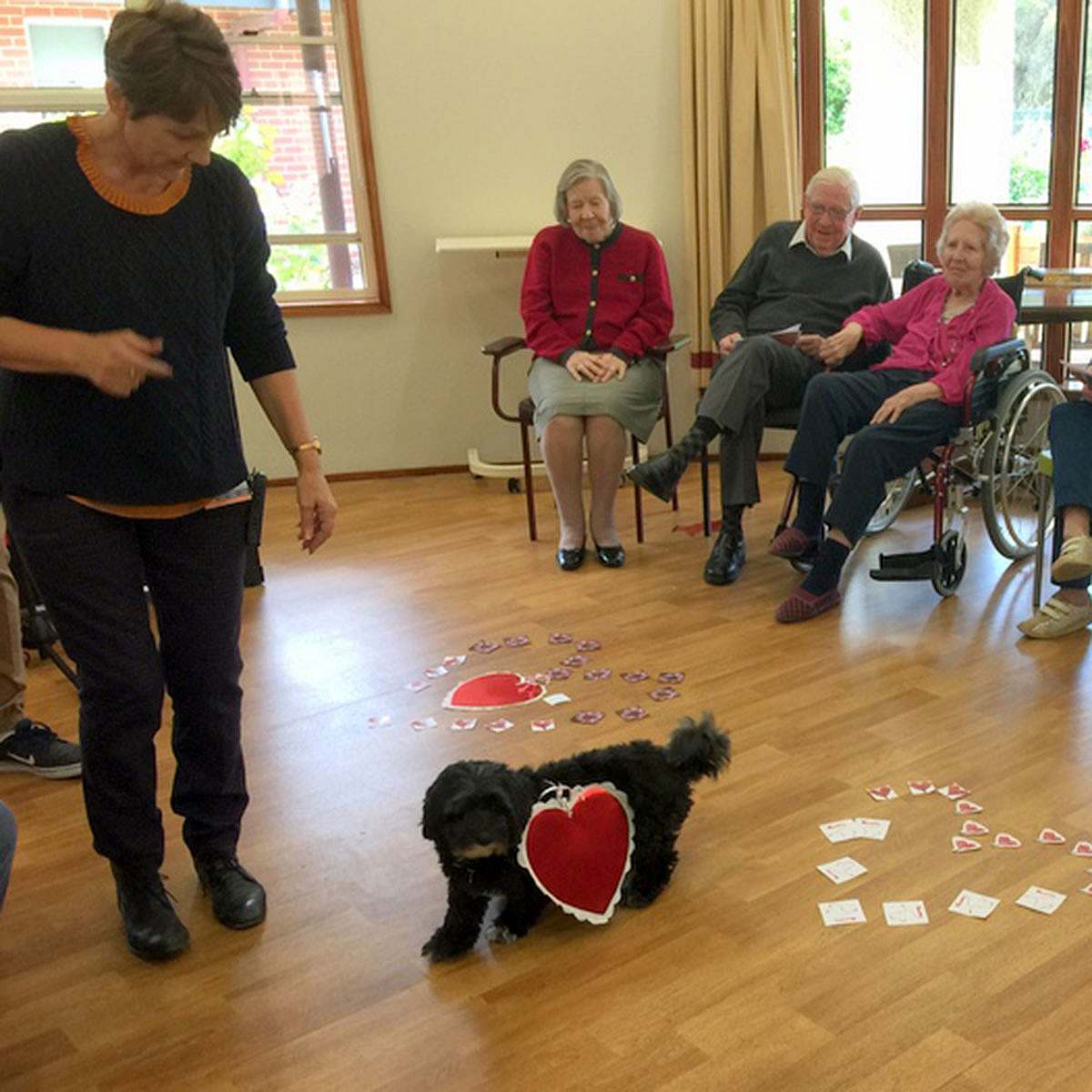
The positive impact of the human-animal bond is supported by scientific data, case studies and research that validate the therapeutic effects of human-animal relationships. These benefits can be emotional, psychological, physical and spiritual.
Broughton Hall’s Lifestyle Coordinator knew having a dog would have enormous benefits for the residents, allowing them to recount many fond memories of their own beloved pets.
Each Sunday evening, they would watch the Lort Smith Dog of the Week television segment and it prompted them to visit the Lort Smith website.
That’s when they saw Mr Wendell’s profile. He was a small-sized dog, great with people and cats, and he had a calm, warm nature. He was five years' old and well past the puppy stage of jumping all over people.
They just had to meet him!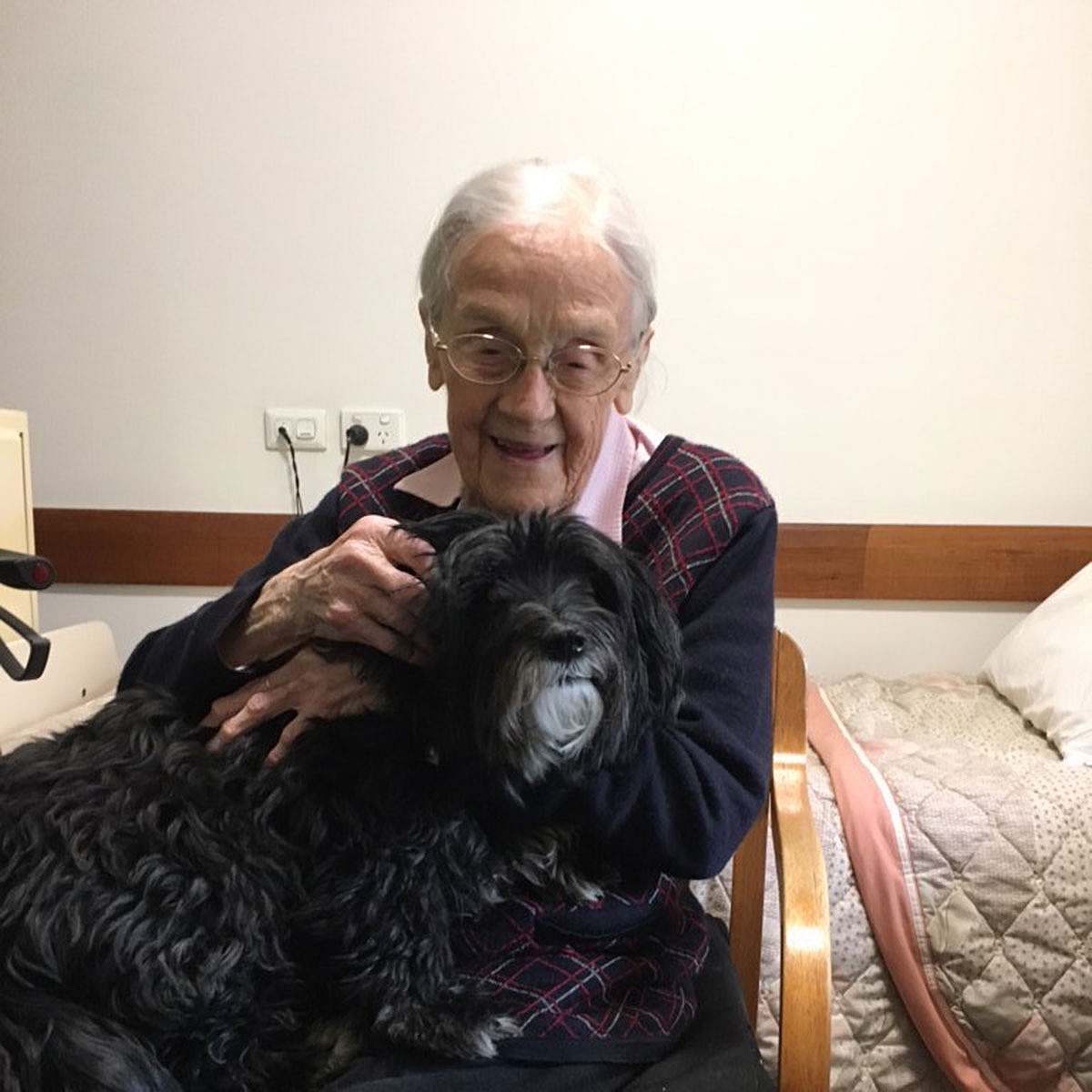
Mr Wendell received lots of interest from potential adopters but the staff at Broughton Hall were successful and consider themselves the “lucky ones”.
Mr Wendell settled in well and is thriving. He is a huge hit with all of the residents. At each shift handover, he is considered just like a resident. He even has his own care plan.
When a new resident comes in, Mr Wendell goes up to them as if to say ‘I will comfort you’ and the calming effect is immediately visible. He goes on outings with the residents; walking, in the bus, and to the local coffee shop.
Acting as their therapy dog, his company is enjoyed by everyone. This is especially evident for residents with dementia. Their faces light up when they see Mr Wendell. It is amazing for family members and staff to witness such positive outcomes.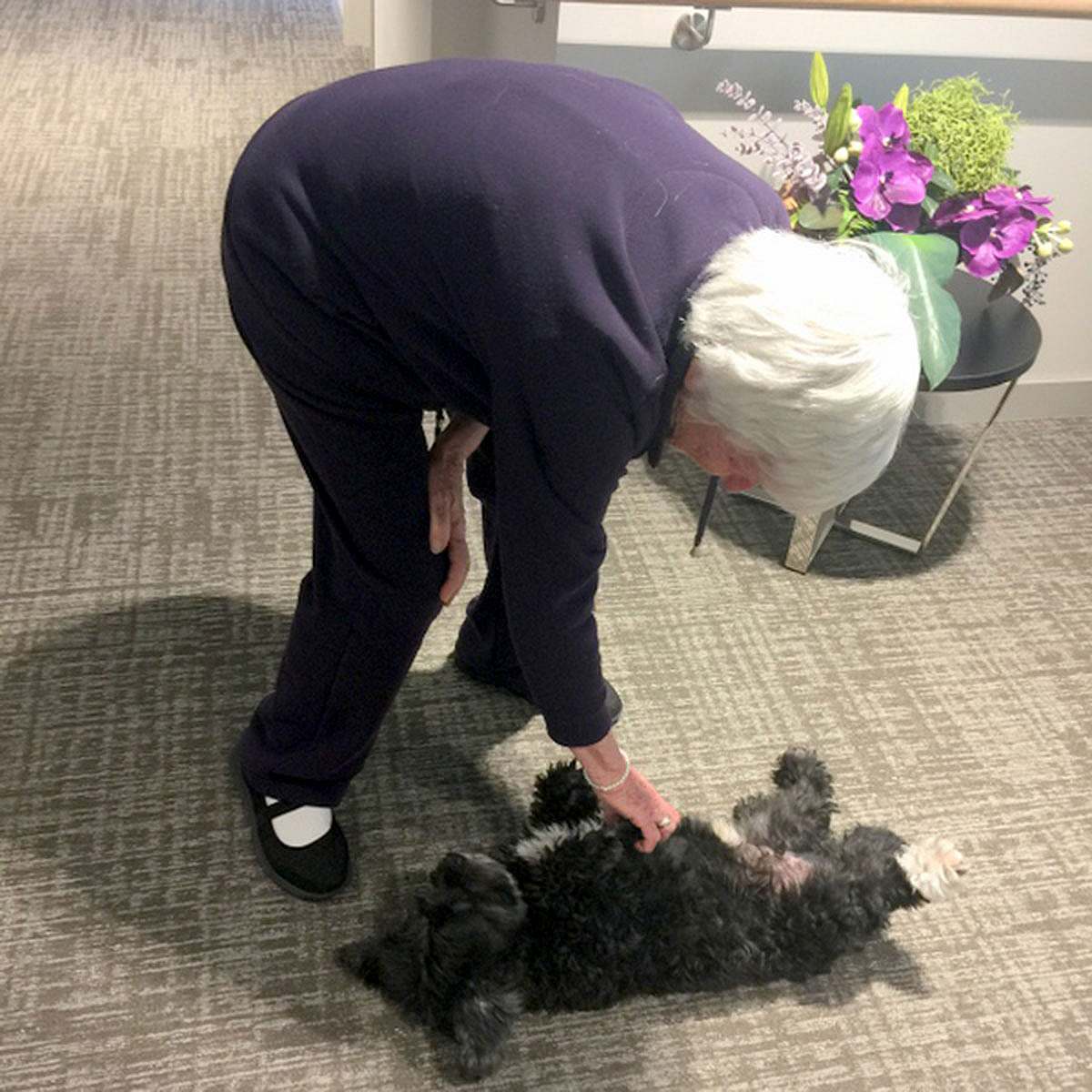
At Lort Smith, we believe and promote the benefits of the human-animal bond, which go beyond companionship. This bond refers to the strong positive interaction that exists between humans and animals – that special cohesive bond that actually enhances our quality of life.
Each day, Mr Wendell shadows the Lifestyle Coordinator on her rounds. This allows all of the residents to benefit from his company and, in return, he is showered with love and affection.
One nurse now brings her boxer to work and the physiotherapist has started bringing in her new puppy, further enhancing the wellbeing of staff and residents. Mr Wendell isn’t too fussed by the extra canine company. He much prefers the camaraderie of his people - his family - without whom he couldn’t imagine life.
“Thank you so much for enabling us to adopt Mr Wendell. He brings joy to all of us. He is so special and so smart he gives me goosebumps. Mr Wendell is 'pawfect' and has definitely found his forever home.” – Lifestyle Coordinator, Broughton Hall.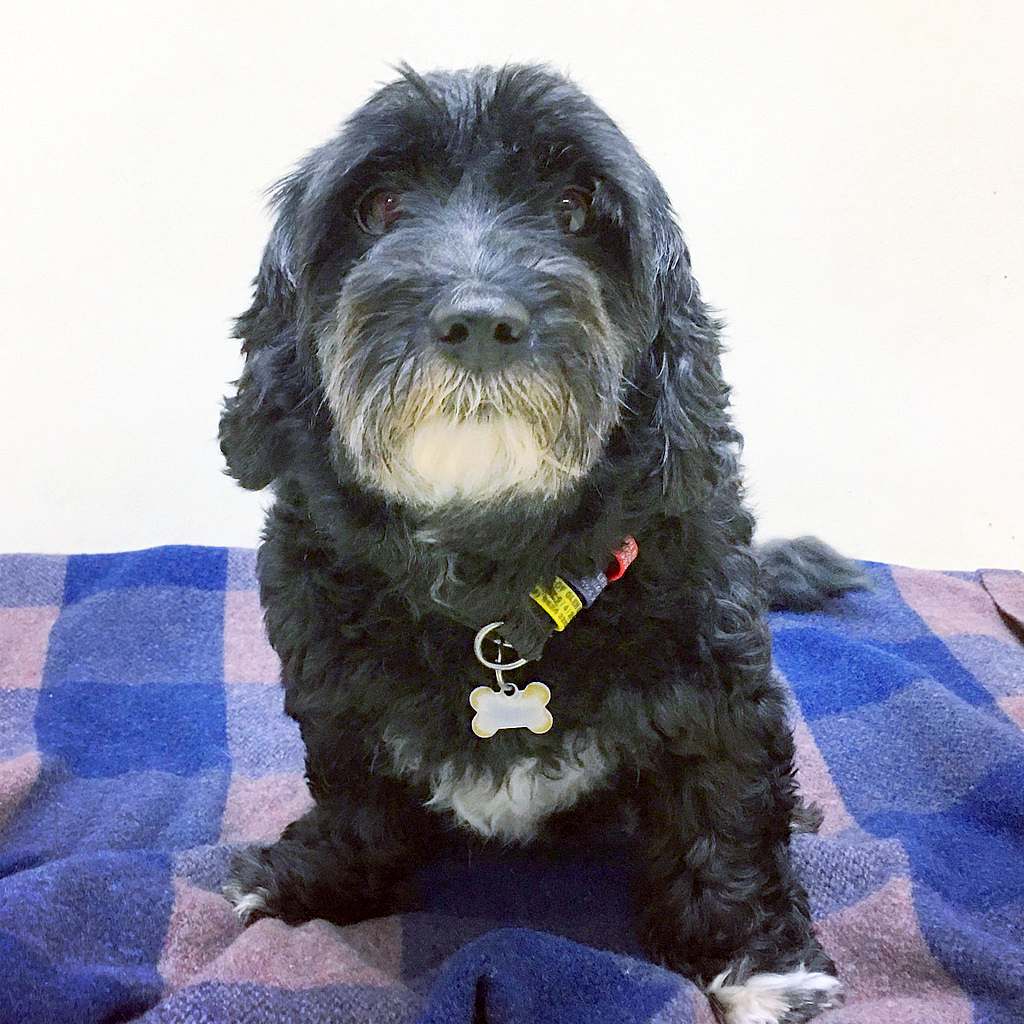
Shannon Stacey is the communications and media specialist at Lort Smith. To support the wonderful work of Lort Smith , please visit https://www.lortsmith.com
For further advice about pets in aged care, visit https://petfriendlyagedcare.com.au
What would your new shelter dog like you to know?
Giving a companion animal a second chance is highly ethical. It is also a powerful and practical way to improve their life.
There is something special about building a committed relationship with an animal from a shelter. Those who have done so should feel very proud of their achievements, particularly if it hasn’t always been smooth sailing!
As a new dog owner, you have likely had time to plan and imagine what life will be like when you arrive home with the animal.
The dog, however, has no idea what is going on, what to expect, or what is expected of them in their new home with you.
Right from the start, it is very helpful to be patient and empathetic.
By asking yourself what your dog feels and needs, you are less likely to become frustrated and more likely to think clearly. If you are thinking clearly, you are going to make good choices.
Commit at least a few full days together at the beginning because relationships take time to build.
By being present, you are helping the dog to adjust. It also provides you with the opportunity to adjust your plan if you notice behaviour that was not expected.
Know dog body language. Shelter staff, professional dog trainers and veterinarians are experts at reading dog body language so that they can avoid damaging relationships with dogs and keep themselves safe.
You will set yourself up for success if you know when to provide space for the dog and how to manage its environment.
Don’t scare or overwhelm the dog or you risk delaying or damaging your relationship.
Until you have built a foundation of trust, it is not a good idea to invite over an army of family and friends or to take the dog to busy public places such as cafes or dog parks.
Your dog needs time to build trust and adjust to life outside the shelter. Some undesirable behaviour may be the result of confusion or anxiety about their new situation.
Many problem behaviours can be reduced or eliminated through patience and the passing of time. However, if behaviour doesn’t improve in the first few weeks, working with a professional positive reinforcement trainer is a great idea.
While information about your dog's past may be helpful, it may also be detrimental to form opinions based only on their history.
To plan your future with the dog, the goal should be to assess your current situation and the dog's behaviour since coming to live with you.
Dogs are individuals and some take more time to adjust than others.
Time, patience and empathy often solve many problems in the first few months.
If you remain concerned, seek advice from the shelter where you adopted the dog or from a professional dog trainer before making big decisions such as surrender or rehoming.
This article was written by Jodi Harris, Delta Dog Trainer, Cert IV Companion Animal Services, Administration Officer - Dogs’ Homes of Tasmania.
-----------------
References:
Coren, S, How dogs think – understanding the canine mind, 2004, Psychological Enterprises, UK
Donaldson, J, Dogs are from Neptune, 1998, Lasar Multimedia Productions Inc, Quebec
McConnell, P.B, London, K.B, Love has no age limit – welcoming a new dog into your home, McConnell Publishing, 2011, USA
THERE is a desperate need for Councils to provide desexing subsidies for residents on low incomes to help prevent the current unplanned ongoing explosion of cats in Australia!
In most Australian cities and towns, many more cats than dogs are wandering, being lost or abandoned and killed/euthanized in pounds and shelters, or having to scavenge for food and a safe place to live around shopping centres, factories, hospitals and schools, or in someone’s backyard.
AWLQ’s National Desexing Network (NDN) receives up to 50 calls daily from people around Australia needing financial assistance to desex their pets or a stray cat they have been feeding, with many more applying for NDN vouchers on-line. Often, they have shown compassion by taking in a stray cat, who then has an accidental litter of kittens. Before they can desex the mother cat (after her milk has dried), and find homes for the kittens, the cat is already pregnant again, and the kittens often as well! Many are still unaware that cats can become pregnant from 4 months of age and can breed continuously!
The NDN team often cannot find enough support to offer these callers. A small proportion of vet clinics participate by offering discounts to pension/concession card holders and animal organisations struggle to raise funds to provide subsidies. Some Councils provide some subsidies of $20 - $50 to go toward desexing cats or dogs, which is often not enough to enable residents on low incomes to afford the typical veterinary charges to desex their pets.
The Australian Cat Action Plan was developed as an initiative of AWLQ’s Getting to Zero (G2Z) program, to encourage consistency across states and territories in effective strategies to prevent unwanted cats. One of the key strategies is for Councils to budget annually over several years for an ongoing Cooperative Desexing Program to help residents in need to desex their cats, or an unowned stray cat they may be feeding.
The NDN Cooperative Desexing Program for Councils was developed to be fair to all parties. The owner on a low income pays a little, currently $55 for a female cat and $35 for a male cat, or any additional female cats, which most people can afford out of their weekly pension or low salary. Participating vet clinics agree to charge a set fee, currently $90 to desex a male cat and $120 for a female cat which covers all veterinary costs including wages and materials. Councils pay the gap, currently $55 for a male, and $65 for a female, cat. This subsidy to prevent an unwanted cat is much cheaper for Councils than having to collect, hold and kill an unwanted cat, which costs approximately $250, with an additional approximately $500 to desex, microchip, treat for fleas/worms, and for any injury or illness from stress, and care for if the cat is rehomed. With the current oversupply of cats, rehoming can take months.
As well as reducing costs, a Cooperative Desexing Program is proactive in preventing nuisance issues, feral cat populations and impacts on wildlife. It reduces euthanasia rates. Also, if State Governments and Councils are implementing laws which require cats to be desexed, as many now are, such a program is necessary to provide support for residents in need so they can comply with these laws. Where discounted registration is provided as an incentive to desex cats and dogs, often residents on low incomes can’t afford to register their animals, because they can’t afford to desex them to receive the discount.
Currently several Councils are budgeting from $10 000 - $50 000 for NDN Cooperative Cat Desexing Programs.
It is time for all Councils to budget for a Cooperative Cat Desexing Subsidy Program. State Governments should provide incentives to Councils to start and continue these programs as a regular budget item. Even the Federal Government who fund the Threatened Species Strategy should be providing funds to prevent unwanted cats in cities and towns, and on farms, rather than try to track cats down after they breed and become feral. It is more logical, economical and ethical.
So, if your Council currently does not fund an effective ongoing desexing program, please contact the Animal Management Department Manager, and encourage them to budget for a Cooperative Desexing Program.
They can go to the NDN website to Get Involved/Local Councils and submit their details for information and support (https://ndn.org.au/national-desexing-network/local-council/) or email NDN admin@ndn.org.au.
If your Council does offer an effective desexing subsidy program, email NDN also, so that this program can be shared on the Australia-wide NDN directory for more people to find.
This article was contributed by Joy Verrinder, Strategic Director at AWLQ.
Have you heard more talk than usual about the microchipping and desexing of pets? Well that might just be because South Australia have introduced new laws for mandatory microchipping for all dogs and cats, puppies and kittens and mandatory desexing for all new litters of cats and dogs from 1 July 2018 (exemptions apply for working dogs, registered breeders etc.).
Now that is clear, you may then find yourself asking “what can we expect the outcomes to be of these new laws”? The simplest answer to this question is the AWL expects that these new laws will increase the number of reunited lost animals with their owners, while decreasing the number of unwanted and abandoned litters of kittens and puppies in shelters. WIN-WIN!
Why microchip?
Microchipping is a safe and permanent way to identify your pet for life, ensuring that you’re always able to be reunited.
Of the 7,200+ stray animals handed over to the AWL from July 2017- July 2018, only 150 were microchipped which represents only 2% of animals!
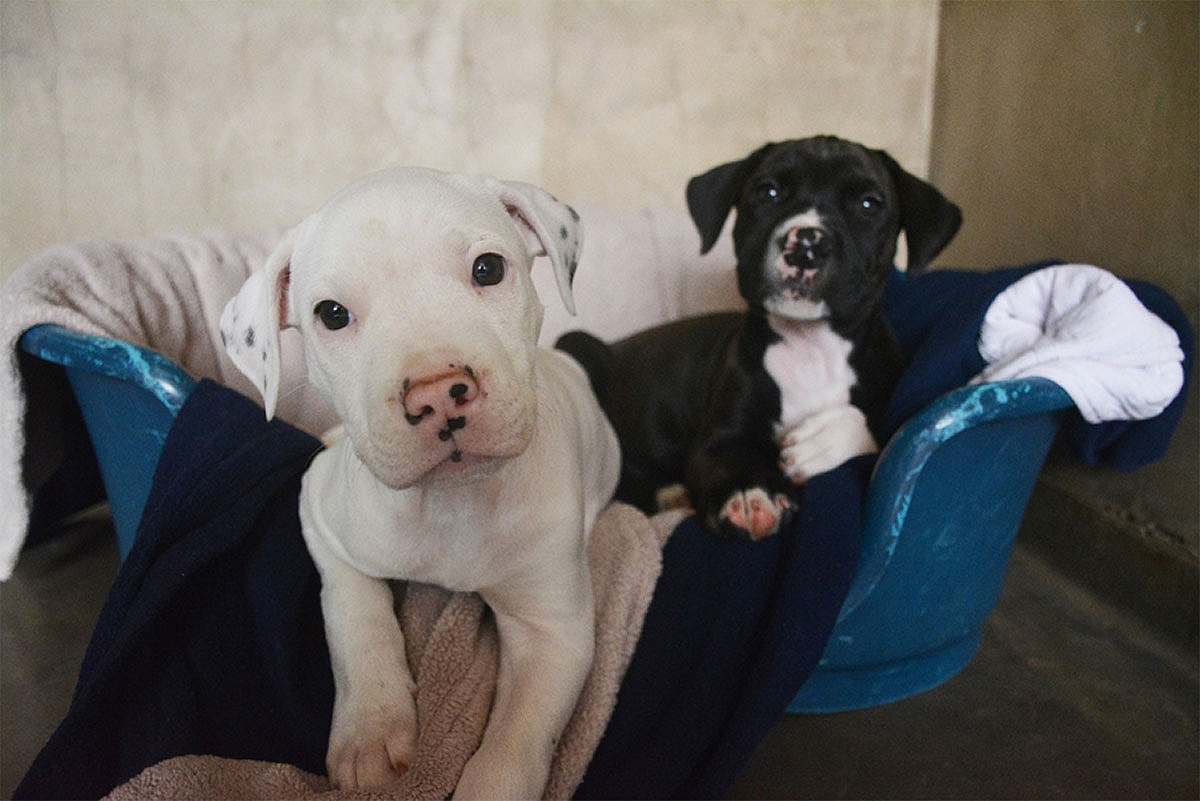
While collars and ID tags are an important part of identifying our pets, these items can easily fall off, or even be taken off, a microchip is the most reliable and effective way to ensure your local council/vet/shelter can contact you if your pet is lost.
The importance of updating microchip details
It’s a sad reality that even when your pet is microchipped, if your details aren’t kept up-to-date you may not be able to be reunited with your pet.
Of the 150 microchipped, stray, animals handed to the AWL from July 2017-July 2018, only 50 animals were able to be reunited with their owners. Despite every effort being made by the shelter to locate the owners, this is only 33% of microchipped animals being reunited!
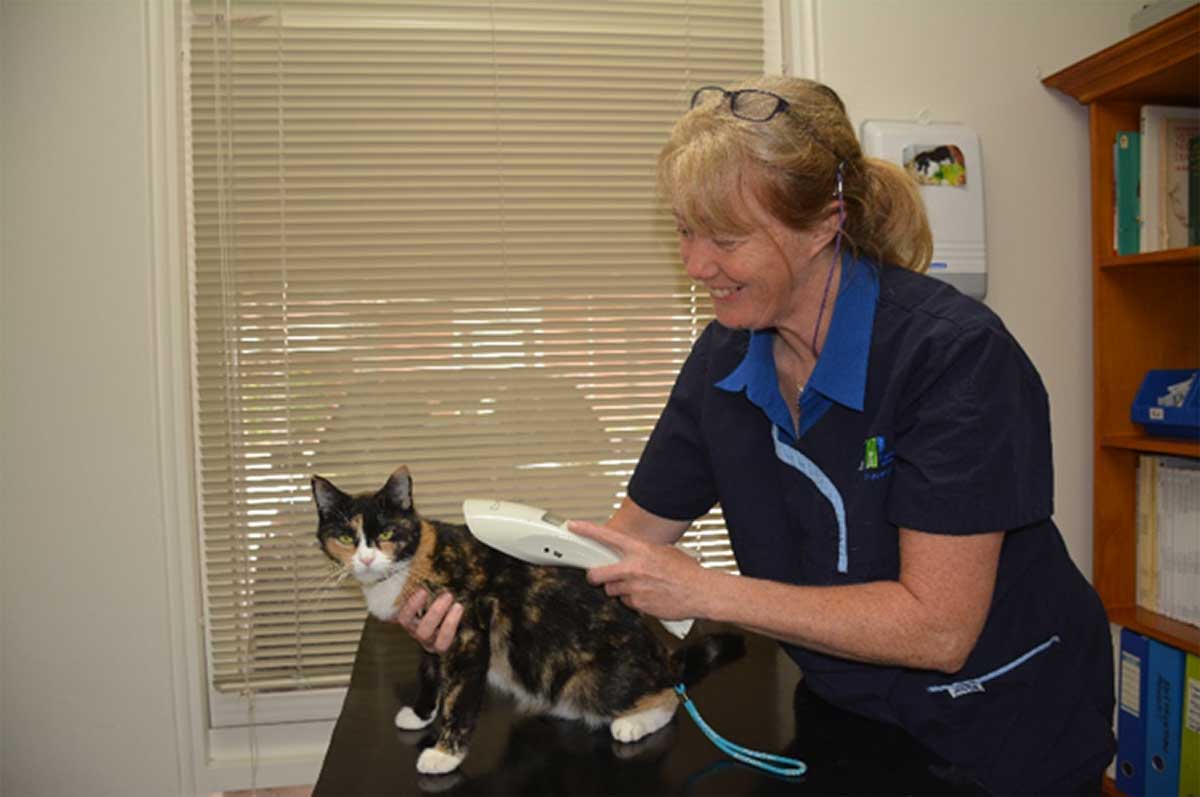
FINDING OWNERS: AWL veterinarian, Dr Alison, scans a cat for its microchip.
More often than not these difficulties arise as owners have relocated, changed numbers and even names (!) since they first microchipped their animal and then have not notified their microchipping company of these changes.
Updating your pet’s microchip is as simple as contacting the microchipping company that your pet’s microchip information is stored with. You can find out which database this is by entering your pet’s microchip number into the Petaddress search - http://www.petaddress.com.au/
Why desex?
Each year there are thousands of unplanned and unwanted litters of puppies and kittens born and finding homes for all of these animals is very challenging for animal shelters and rescue groups. Indiscriminate breeding can also result in genetic or temperament problems being passed on.
Benefits of desexing
Desexing reduces the tendency for aggressive behaviours towards people and other animals and helps reduce territorial behaviour. It can also help control the urge to wander and reduces anti-social behaviours such as lug humping and urine marking.
Studies have shown that a desexed pet has a reduced risk of cancer and other diseases of the reproductive organs and therefore increases the likelihood of a longer and happier life.
Financially there is also a benefit to having a desexed pet as you will receive a discount on registration and also not incur the costs for an unwanted litter.
In an effort to improve the management and welfare of dogs and cats in South Australia, a variety of new, state-wide, laws have been introduced, including:
- Mandatory microchipping of cats and dogs
- Desexing of dogs and cats born after the 1 July 2018
- New rules for breeders who sell dogs and cats
- Introduction of a statewide database, called Dogs and Cats Online
The AWL team are looking forward to seeing a decrease in numbers of lost animals entering shelters, as well as a decrease in unwanted litters of kittens and puppies being surrendered or abandoned.
Imagine you are living alone with a beloved dog or cat. They are your family, your companion, your best friend. You want to go out but you don’t want to leave them behind.
Imagine that you don’t have a car or can’t afford a car. You can’t walk terribly far but you can manage to catch a bus. And there is a bus or a train running past the door.
You want to take your dog with you to visit other dog-owning friends, to sit at a dog-friendly café or pub, go to a dog park, and meet other dog owners, like you, and to get to the vet for regular check-ups and in an emergency.
Pets are allowed on public transport in the UK and extensively across Europe, in North America, and recently too in Wellington, New Zealand!
In most places, this has been happening for years.
Requirements on pet owners differ by city and by form of transport (this can be trains, trams, ferries, buses etc.) but the intention is the same - pet owners can travel with their pets on affordable and accessible public transport systems.
A recent study by Dr Jennifer Kent and Professor Corrine Mulley (University of Sydney) showed the significant economic and public transport benefits of pet-friendly public transport.
For example: in a sample of 1,257 dog owners who made 9635 dog-related trips per week, 4,832 of these trips started in a private car – this means households are making 3.8 dog-related trips by car per week. With 1.6 million households in Sydney and 39% of these households own one or more dogs they estimated that some 2.4 million dog-related private car trips could be occurring in Sydney each week!
Sydney and Victoria allow pets to travel on some forms of public transport under strict conditions.
However, many places in Australia do not yet have pet-friendly public transport. This is a particular issue for older Australians who want to use public transport and, in some cases, have no other affordable option.
If you have a pet and you can’t now take your pet on public transport, please contact your transport authority and tell them how important your pet is to you and ask ‘Why can’t I use public transport with my pet?’
Make sure to tell them what it would mean to you to be able to take your pet on public transport. If you get an answer please post it on this blog.
We are especially keen to see this made possible for older and isolated pet owners.
Australia has one of the highest rates of pet ownership in the world. Let’s make Australia truly a pet-friendly country, in the interests of millions of pet owners and their pets.
If you are in the ACT, please contact Meegan Fitzharris MLA, Minister for Transport, GPO Box 1020, CANBERRA, ACT 2601 or email fitzharris@act.gov.au
This article was written by Pets and Positive Ageing Inc and published with their permission.
Contact: secretary@petsandpositiveageing.com
Jan Phillips, President - 0412 411 424
By Dr SIMONE MAHER
I have never really harboured more than a cursory interest in guinea pigs, and certainly never desired one as a pet. And then a funny little creature called Yenoe made his way into the clinic – and with his toupee-like coat, amenability to handling and adorable little paws, I finally understood the attraction.
Guinea pigs belong to the rodent family and are native to South America. Often considered a childrens’ pet, they are frequently inexpensive to purchase and like many other “pocket pets” their true requirements are often not understood and they commonly suffer ailments secondary to poor husbandry.
Whilst guinea pigs are often social and inquisitive little creatures quite happy to be handled (if this is done gently and appropriately from a young age), they are fundamentally a prey species. They are always on high alert for danger, which elevates their stress hormones and heart rate – long term, this can be tough on their little bodies.
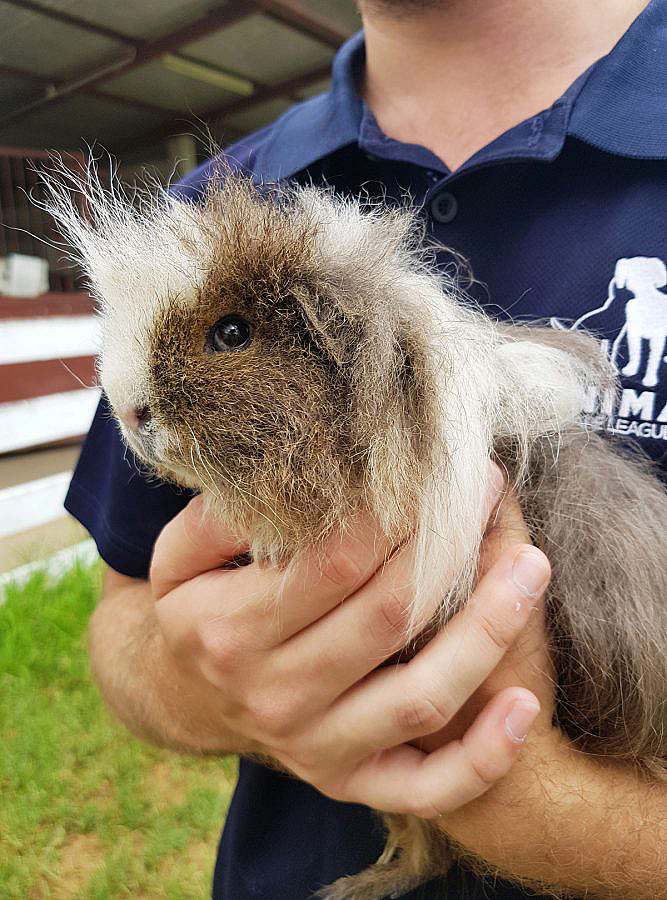
It is important to take this into consideration when designing their living spaces. They need to be able to retreat from noise and potential predatory animals. Whilst your dog may simply be thinking “a new playmate! Fun!”, your guinea pig is probably thinking “eek! I’m about to be breakfast!”. They are not well equipped to cope with extremes of temperature and humidity and generally speaking, if it’s uncomfortable for you outside, it’s uncomfortable for them. They should be kept in small groups – but remember, entire males may fight – and male/female pairs may get along a little too well. It’s not recommended to mix guinea pigs and rabbits.
A guinea pig’s teeth will grow continuously throughout its life. They need a high fibre diet; naturally they are grazing grass eaters. The major part of their diet should be grass or grass hay, with fresh leafy greens and herbs offered. Guinea pig pellets should be provided in small amounts only, and must be of a high quality. Avoid cereals, seeds, nuts, sweets, peas and chocolate. Early introduction to a wide variety of foods is important to avoid food aversions as they get older.
The life expectancy of a guinea pig is 5-8 years. Treat them well and they can be a delightful, pocket sized companion. And if they’re anything like little Yenoe, their funny little quirks – and hairstyle – will bring you endless merriment.
Enhancing our pets’ lives through their senses
By Dr Jo Righetti
We all hope that pets in our care are happy, carefree and suffer the minimum stress possible. Unfamiliar shelter environments may have our dogs pacing or barking and our cats’ toileting inappropriately or hiding. Even our normally relaxed pets at home become stressed on occasion – thunderstorms, car travel, guest in our homes.
Some simple sensory measures involving both stimulation and relaxation, may help to relax animals…
Auditory Stimulation
Music
Music helps pets calm down and most will lie down and relax when played music:
- Shelter dogs bark less when played classical music
- Pop music, although perhaps preferred by staff, has little effect on dogs
- Heavy metal really stirs them up and increases barking
- A mix of classical and reggae should relax everyone
Changing musical genres keeps dogs listening. Beware, however, when the music stops, the barking starts!
Audiobooks
Voice relaxation is also possible in dogs. The calming tones of audiobooks helps dogs lie down and relax and reduces vigilant behaviour. If not audiobooks, we could leave a radio on, tuned to talkback radio. We don’t yet know the effect on cats but, chances are, soothing voices will relax them too.
Look out for pain
There is a link between canine noise sensitivities and pain. Hearing a disliked sound may cause the dog to move, causing more pain and further noise aversion. This is worse in ageing dogs. If you suspect your dog may be in pain, have a check-up with your vet.
Visual stimulation
Television and movies
Some pets love to watch television and others barely even notice the screen. Newer technology, with higher resolutions, are more appealing to pets, who may take notice of movements or animals on the screen. Most cats also enjoy iPad games.
While most of these visual media are out of financial reach of shelters, they may be something to add to the wish list.
Scent stimulation
Dog scents
We all know how wonderful and powerful the dog’s nose is, so using scent to enrich their lives is beneficial. Effects, tested in shelter dogs, included the following:
- Lavender and Chamomile reduce barking and movement in dogs
- Rosemary and Peppermint increase barking and movement
- Vanilla, Coconut, Ginger and Valerian reduce the levels of barking and movement
- Coconut and Ginger increase sleeping
Cats scents
Catnip or prey (rabbit) scents increased sleeping time and decreased standing and exploratory time. Catnip also resulted in play-like behaviour, for those cats that respond to it. Cats have little response to lavender.
Shelter sense stimulation
Animals spend more time at the front of the cage when scents are absent, so perhaps shelters need to keep relaxing scents for non-visitor hours. Potential adopters may find it entertaining to watch a dog engage with their scent-enhanced toy or a relaxed cat relax on their lap.
How can you enhance your pet’s senses and stimulate or relax them?
All of these sensory topics have been discussed on my website Pet Problems Solved.
Original references:
Dogs prefer Bach to Britney
Behavioral effects of auditory stimulation on kenneled dogs
‘Four Seasons’ in an animal rescue centre; classical music reduces environmental stress in kennelled dogs
The effect of different genres of music on the stress levels of kennelled dogs
The effects of audiobooks on the behaviour of dogs at a rehoming kennels
Stress-busting films for pets
The behavioural effects of olfactory stimulation on dogs at a rescue shelter
The influence of olfactory stimulation on the behaviour of dogs housed in a rescue shelter
The influence of olfactory stimulation on the behaviour of cats housed in a rescue shelter
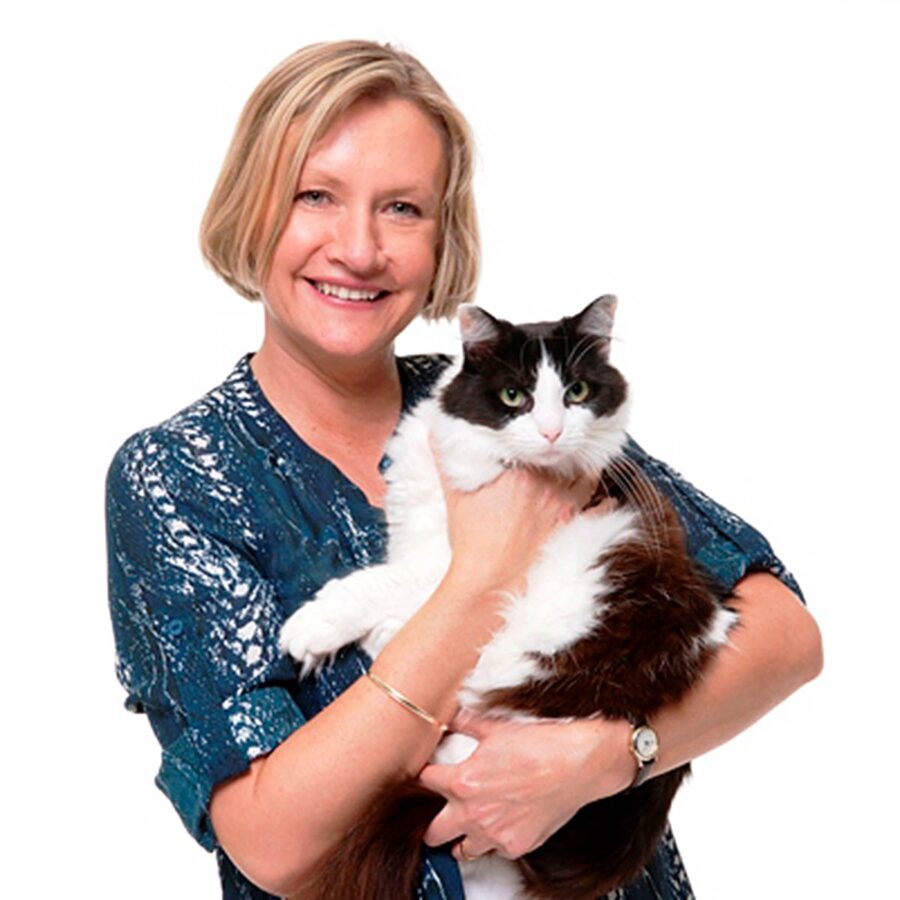
Dr Jo Righetti is the Australia CAN Ambassador. She is a PhD-qualified animal behaviourist, with 20 years experience in business. Dr Jo consults with a variety of companies, organisations, governments, vet clinics, universities and media. Her regular blog, Pet Problems Solved, is a wonderful storehouse of knowledge for people who love pets. Dr Jo lives with a dog & 4 cats.
By ANNE BOXHALL
Have you ever thought about fostering a dog or cat?
Nita and Deb are foster carers for SAFE Inc - Western Australia’s largest volunteer-based animal rehoming service.
For Nita, caring for animals on a temporary basis is a perfect fit for people who want dogs and cats in their lives but also want to be free to travel.
Fostering isn’t as hard as you might think says Nita. The satisfaction in helping many different animals outweighs the tricky part - letting them go!
It’s a privilege to take a dog in, love them, play with them, encourage them to trust humans again and watch them develop and grow.
Animals can relax and find their feet in a regular home environment, without the stress of being confined in an animal shelter.
We get to understand the personality of each animal and can tell adopters exactly what their new pet is like.
I get emails, phone calls and photos from adopters showing how happy the animals are and I always say that’s a job well done!
For Deb, being part of a joint effort with other SAFE foster carers saving thousands of animals' lives each year is incredibly rewarding.
In many ways, it’s not all that different to minding someone else’s pet because the dog or cat will always have another home to go to.
So when people say, I couldn’t foster because I’d get too attached - yes you might – however you are also playing a vital part in bringing the right pet and the right family together.
Author Lisa Lanser Rose puts it best when she says sometimes you do get attached, but so what? Yes, love hurts! Dogs and cats are out there hurting right now. You can do it, at least give it a try.
For more on foster caring, contact SAFE Inc at safe.org.au or your nearest ACAN member in other states.
Anne Boxhall is Executive Officer of Animal Welfare League Australia's West Australian member organisation, SAFE Inc.
Volunteers make a very important contribution to our three shelters at Dogs' Homes of Tasmania. They have all levels of experience, from recent inductees to those with more than 20 years of service.
Volunteers often form long-lasting friendships. Their mutual love of dogs always gets a conversation started, whether it be at one of our re-homing centres or when they are out in the community with one of the dogs.
Our volunteers perform many duties daily. Most start by walking all of the beautiful dogs on nearby bush-walking tracks. As they gain experience, and come along on a regular basis, the volunteers then get to help out in other areas of our operation.
And there's always plenty to do!
Dogs' Homes of Tasmania staff greatly appreciate this assistance because, without it, the dogs would not get the extra attention they need.
Some volunteers are unable to walk the dogs and so it's nice that they can help out in other areas, such as:
- General administration, gardening, grooming and bathing.
- Assisting staff with the rotation of the yards.
- Helping with fundraising activities.
- Taking a dog out for the day for general exposure to the community.
- Spending time with dogs who need a little extra help to rehabilitate them, and to make them feel safe and wanted.
All of our volunteers walk away with smiles on their faces, knowing that by being here they have helped bring benefits to 'man’s best friend'.
We work very hard to make the volunteers feel like part of the Dogs' Homes of Tasmania family. Despite our many different backgrounds and levels of experience, we have one important thing in common: the quest to make the dogs' stay a pleasurable one until their ‘furever’ home comes along.
As we celebrate National Volunteer Week, we say thank-you to all of our fantastic volunteers.
Our poem to our Volunteers
Dedicated hearts like yours
are not so easy to find.
It takes a special person to be
so generous and kind.
To care so much for our four legged friends
is a quality all too rare.
Yet you give of your time and talents,
for all of them in need to share.
So thank you for being a volunteer,
We're privileged to work with you.
We want you to know how appreciated you are,
not just today, but the whole year through.

National Volunteer Week May 11-May 17